How to Choose a Personal Trainer in Payson: Expert Tips from FitClub
If you’ve ever wondered whether strength training or cardio is the “better” option for your fitness goals, you’re not alone. Many gym-goers and beginners feel like they have to choose between lifting weights or focusing on heart-pumping cardio workouts. The truth is, you don’t have to pick just one. In fact, combining both strength and cardiovascular training can provide far greater health benefits than focusing on one style alone.
A balanced workout routine that includes both training methods can help you lose fat, build muscle, improve endurance, and feel more energized—both inside and outside the gym. This combination is especially effective for people looking to improve overall wellness, support long-term weight management, or break through frustrating plateaus.
For residents in Payson, Utah, and nearby communities like Salem, Spanish Fork, and Springville, access to a well-equipped gym with space for both types of workouts is key. That’s where FitClub comes in. Our facility offers the environment, equipment, and expert support you need to build a well-rounded fitness routine that’s sustainable and tailored to your goals.
In this blog, we’ll walk through the unique benefits of both strength and cardio, explain how they work together, and provide a sample weekly plan to help you get started with confidence. Whether you’re just getting into fitness or looking to refresh your current routine, this guide will help you create a balanced approach to working out—right here in Payson.
The Role of a Personal Trainer in Your Health Journey
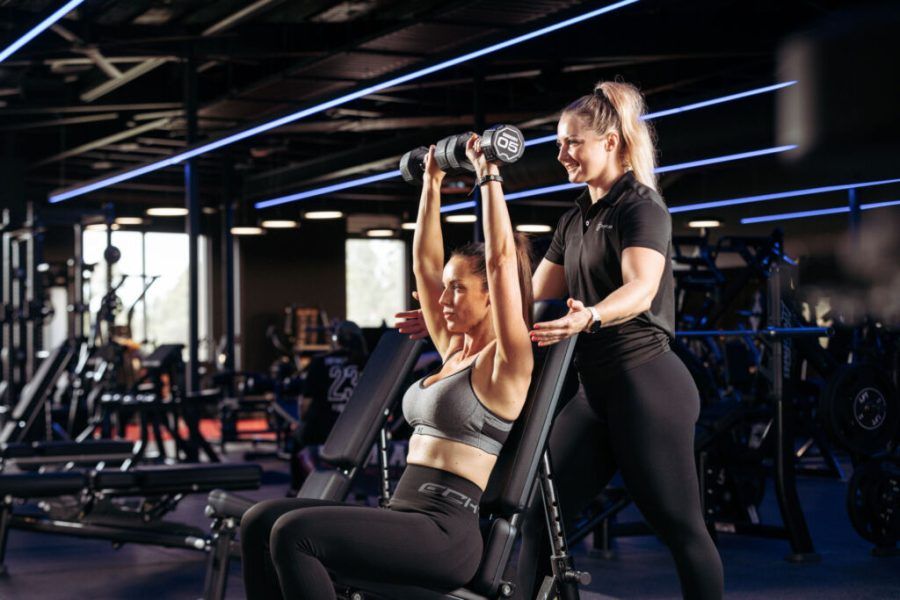
Personal trainers are more than just coaches who push you through workouts. They serve as educators, motivators, and strategic planners who guide you through every step of your fitness progression. From proper warm-up techniques to post-workout recovery, a personal trainer can help reduce your risk of injury and ensure that you're training as efficiently as possible.
At FitClub, we often see clients who felt lost or unmotivated before working with a personal trainer. After just a few sessions, many of them report increased energy, more structured routines, and a clearer understanding of how to train for results. This kind of transformation happens when you have someone by your side who not only understands exercise science but also takes the time to understand you.
A trainer can help you:
- Set realistic, achievable fitness goals
- Stay consistent with a workout schedule
- Improve your form and technique to prevent injuries
- Monitor progress and adjust your plan accordingly
- Build confidence in the gym environment
Recognized Certifications to Look for in a Personal Trainer
When evaluating a personal trainer’s qualifications, it’s important to ensure they hold certifications from well-respected, nationally recognized organizations. These certifications validate a trainer’s knowledge, safety practices, and ability to create effective fitness programs tailored to individual needs. Below are three of the most reputable certifications in the fitness industry:
American Council on Exercise (ACE)
The American Council on Exercise is one of the most widely respected certifying organizations for fitness professionals. ACE-certified personal trainers are trained in areas such as exercise science, behavior change, injury prevention, and client assessment. They are also required to complete continuing education, ensuring that they stay updated on the latest research and best practices. An ACE certification demonstrates a trainer's commitment to safe, effective, and client-centered fitness instruction.
National Academy of Sports Medicine (NASM)
The National Academy of Sports Medicine is known for its evidence-based approach and its focus on corrective exercise and injury prevention. NASM-certified trainers often use the Optimum Performance Training (OPT) model, which helps clients progress safely through different phases of training. This certification is especially valuable for clients dealing with postural issues, previous injuries, or those seeking structured performance enhancement. NASM trainers are well-equipped to design well-rounded fitness plans that address strength, flexibility, endurance, and recovery.
National Strength and Conditioning Association (NSCA)
The National Strength and Conditioning Association specializes in training for athletic performance and strength development. While many NSCA-certified trainers work with athletes, their training methods are also highly effective for individuals looking to build muscle, improve endurance, or enhance physical performance at any level. The NSCA also offers the Certified Strength and Conditioning Specialist (CSCS) credential, which is one of the most advanced and respected certifications in the field. Trainers with NSCA certification typically have a deep understanding of biomechanics, exercise physiology, and sport-specific programming.
Specialization and Training Style
Everyone has different fitness goals—some are looking to lose weight, others want to build muscle, train for an event, or improve mobility after an injury. Make sure the trainer you’re considering has experience working with people who share similar goals.
For example, if you’re a beginner, it helps to have a trainer who is patient and can walk you through the basics. If you’re more advanced, you might want someone who can introduce you to complex training styles like powerlifting or high-intensity interval training. Some trainers specialize in senior fitness, prenatal training, or youth athletic development. Ask them about the kinds of clients they’ve worked with, and see if their expertise lines up with what you're looking for.
Personality and Communication
It’s important to feel comfortable with your trainer. The relationship you build can have a big impact on how consistent and motivated you stay. During a consultation or trial session, consider how they interact with you. Do they listen to your concerns? Do they communicate instructions clearly and positively?
For many people, the right trainer is someone who offers both encouragement and honest feedback. They should respect your boundaries but also challenge you when you need that extra push. At FitClub, our personal trainers take the time to get to know you as a person—not just a client—so we can help you succeed in a way that feels right for your personality and pace.
Customization and Flexibility
No two people have the same fitness needs. The best personal trainers develop plans that are tailored to your specific goals, fitness level, and even lifestyle. If you have a busy work schedule, they’ll design short but effective sessions. If you have limitations due to a past injury, they’ll modify exercises so you can train safely. Customization should extend beyond just your workout routine. A good trainer might also offer nutritional guidance, recovery strategies, or tips for staying active on your own. This holistic approach ensures that you’re making progress inside and outside the gym.
Important Questions to Ask Your Personal Trainer
Before committing to a personal training program, it’s a good idea to meet with the trainer and ask a few thoughtful questions. These help you better understand their qualifications, experience, and how they’ll support your fitness journey. Here are some important questions to consider:
- Can you tell me about your certifications and training background?
Understanding a trainer’s education and professional credentials ensures they have the knowledge and skills to train you safely and effectively. Reputable certifications from organizations like ACE, NASM, or NSCA are a strong foundation. - What types of clients do you typically work with, and do you have experience with someone like me?
This question helps you learn whether the trainer has worked with individuals who share your goals, fitness level, age group, or health considerations. - How do you go about customizing workout programs for each client?
Asking this gives insight into how personalized their approach is. A good trainer will take time to assess your needs, limitations, and goals before building your plan. - What methods do you use to measure progress and track results over time?
Progress tracking is essential to stay motivated and accountable. Find out whether the trainer uses fitness assessments, body measurements, performance tracking, or other tools to show your improvement. - How do you help clients set and maintain long-term fitness goals?
This question reveals whether the trainer focuses on sustainable health habits rather than quick fixes. A strong answer will show that they support realistic, long-term progress. - Are you available for communication or support outside of our scheduled sessions?
Some trainers offer follow-up check-ins, text reminders, or access to fitness apps. Knowing how much support you’ll receive between sessions can help you stay consistent and on track.
These conversations help ensure that you’re not only investing in a qualified trainer but also choosing someone who understands your unique needs.
Local Convenience and Community Support in Payson
Another key factor when selecting a personal trainer is location. Choosing a trainer who works nearby makes it much easier to stay consistent, especially if you’re juggling a busy schedule. At FitClub, we work with members from Payson and surrounding communities such as Salem, Spanish Fork, Springville, and Mapleton.
Being part of a local gym also means you're more likely to find accountability partners, attend community fitness events, and discover other local wellness services that can support your progress. You’re not just joining a gym—you’re joining a network of people who value health and fitness just like you do.
Explore Personal Training at FitClub in Payson
If you’re ready to take control of your health, FitClub offers a welcoming, professional environment where personal training is tailored to your needs. We begin every program with a detailed consultation, where we get to know your goals, your health history, and your preferences. Then, we build a customized fitness plan designed specifically for you.
Our certified trainers bring years of hands-on experience in areas like strength training, weight loss support, injury prevention, and more. Whether you prefer one-on-one sessions or want to combine personal training with group classes, we’ll work with you to create a schedule that fits.
You can learn more by visiting our personal training page, where we detail our services, trainer qualifications, and what to expect during your sessions. If you’d like to experience the space in person, we invite you to schedule a tour of our facility.
Let’s Build a Stronger You — Together
Choosing the right personal trainer is an investment in your long-term health. It’s not just about losing weight or lifting more—it’s about building habits that last and gaining the confidence to take care of your body for life. When you work with a trainer who understands your goals, respects your pace, and provides real support, you’re setting yourself up for sustainable success.
For residents of Payson and surrounding communities in Utah County, FitClub is here to help you every step of the way. Our personal training programs are flexible, personalized, and rooted in community. If you’re ready to get started, let’s talk.
Visit our personal training page or schedule a tour to take the first step toward a healthier, stronger you.
Creating a Complete Fitness Plan in Payson
Combining strength and cardio doesn't require long hours at the gym—it just takes a thoughtful approach and a supportive environment. By integrating both forms of exercise into your routine, you’ll not only see physical changes, but also enjoy improved mental clarity, better sleep, and more energy throughout the day.
For residents of Payson, Salem, and other Utah County communities, FitClub offers everything you need under one roof. Whether you're aiming to build muscle, lose weight, or improve your heart health, we’re here to help you take the next step.
Explore our full range of programs on the FitClub services page, or book a personal training consultation to receive expert guidance tailored to your goals.