Classes vs. Solo Training in Payson & Salem | FitClub
Classes vs. Solo Training in Payson and Salem: What Works Best?
If you live in Payson or Salem, you’ve probably had the same thought at least once: “Should I take classes, or should I just train on my own?”
Both can work. Both can also stall out if they don’t fit your schedule, your personality, or the results you want. And in south Utah County, your routine has to work with real life. Commutes, family schedules, early mornings, late nights, and everything in between. That’s why a 24/7 gym setup can matter just as much as the workout itself. FitClub is open 24/7 for members, so you can build a plan that actually survives your calendar.
Below is a straight comparison for residents in Payson and Salem, with a few notes for Woodland Hills and Elk Ridge too
.
What “classes” really solve (and where they fall short)
Classes are the fastest way to remove decision fatigue. You show up, the plan is ready, and you get coached through a session alongside other people doing the same work.
Pros:
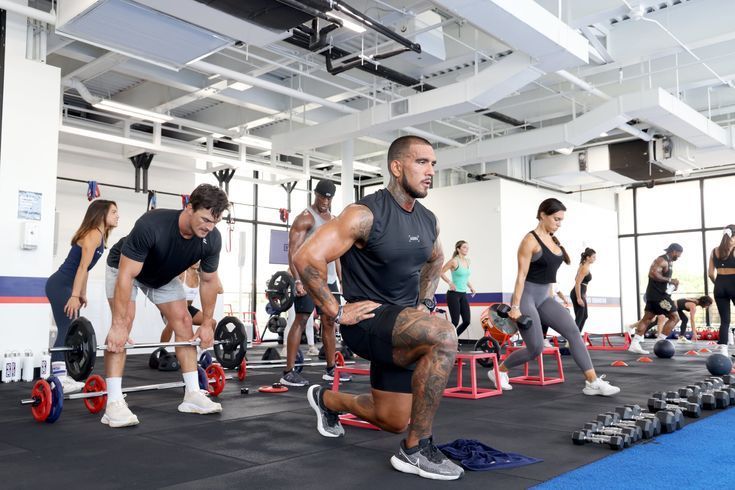
Classes help you stay consistent because the start time and structure do the heavy lifting. They’re also great for conditioning, general strength, and building a weekly rhythm. If you like being coached and you feed off a little group energy, classes can feel easier to stick with than solo workouts. FitClub’s group training is built around structured, high-energy sessions designed to keep you moving and progressing.
Cons:
Classes can be less specific. If you have a very clear goal (like building strength in certain lifts, training around a cranky shoulder, or getting back into training after time off), a general class might not give you enough personalization. You can modify, but you might still feel like you’re always adjusting instead of building a focused plan.
Local note:
If you’re in Salem, Elk Ridge, or Woodland Hills and you want a predictable routine after work, classes often fit best when your evenings are consistent. If evenings are chaos, you may end up missing classes more than you’d like.
What solo training solves (and where it falls short)
Solo training is flexible and specific. You pick the time, the pace, and the exact plan. If you love quiet focus, this can be the best path.
Pros:
You can tailor workouts to your goals and your energy that day. It’s also easier to follow a progressive plan when you are not jumping between different styles week to week. And if you work odd hours, solo training in a 24/7 gym means you can lift early, late, or whenever you can actually make it happen.
Cons:
Most people get stuck on one of three things: not knowing what to do, not pushing hard enough, or doing the same things for months because they’re comfortable. Solo workouts also tend to slide when life gets busy, because there’s no “appointment” feeling.
Local note:
Payson residents who commute north often do best with early morning or late-night training. That schedule can be tough to match with set class times, which is where solo workouts (or a hybrid plan) can win.
The real answer for Payson and Salem is usually a hybrid
A lot of people don’t need to pick only one. The best routine often looks like this:
A couple of classes per week for structure and conditioning, plus a couple of solo sessions to build specific strength and habits.
If you want that “best of both” setup, personal training is the bridge. It gives you the customized plan and the coaching you usually miss when you train alone, while still letting you enjoy classes for the energy and pace.
FitClub offers one-on-one
personal training in Salem.
If you’re closer to Payson and want a more private setting, FitClub also offers
personal training in Payson with private studio options.
Sample weekly plans for a 24/7 gym (classes vs. solo vs. hybrid)
These are examples you can adjust based on your schedule. The point is the structure.
Plan A (mostly classes), 4 days/week
Monday: Group training class (strength focus)
Tuesday:
Easy walk or light cardio
Thursday:
Group training class (conditioning focus)
Saturday:
Group training class (full body)
Who this fits in Utah County: If you want simplicity, you like coaching cues, and you’re trying to rebuild consistency, this is a good starting point.
Plan B (mostly solo), 4 days/week
Monday: Lower body strength (squat pattern, hinge pattern, core)
Tuesday: Upper body strength (push, pull, shoulders, core)
Thursday: Lower body strength (deadlift variation, split squat, posterior chain)
Saturday: Conditioning (bike, rower, incline walk, or intervals)
Who this fits in Payson and Salem: If you enjoy training independently and you can stay consistent without a class schedule, this is a strong approach. It also fits well if you need off-hours training because the gym is open 24/7.
Plan C (hybrid with personal training), 4–5 days/week
Monday: Personal training session (technique + customized progression)
Wednesday: Group training class (conditioning or full body)
Friday: Open gym solo session (short, repeatable strength workout)
Saturday or Sunday:
Optional class or a light cardio day
Why this works: Your trainer helps you pick the right movements, progress them, and avoid the common solo-training mistakes. Then classes keep you moving and motivated. FitClub’s own guidance also shows how personal training and classes can complement each other inside a realistic weekly schedule.
How to decide fast (without overthinking it)
- If you want more motivation and less planning, start with classes.
- If you want more control and specific strength goals, start with solo.
- If you want results but don’t want guesswork, go hybrid and add personal training.
One simple rule: if you’ve been “meaning to get consistent” for months, you probably don’t need more willpower. You need more structure. That structure can be a class schedule, a coached plan, or both.
Also, it helps to keep the big picture in mind. Utah’s own health resources point to the standard adult recommendation of at least 150 minutes of moderate activity per week (or equivalent vigorous activity). If your current plan is not getting you close to that most weeks, that’s the first fix, regardless of whether you choose classes or solo.
Ready to see what fits you best? Visit FitClub for a tour
If you’re in Payson or Salem and you’re stuck between classes and solo training, the fastest next step is to see the setup in person and talk through a simple weekly plan you can stick with.
Check out FitClub’s group training options here:
https://www.fitclub-ut.com/group-training-in-salem
And personal training here:
https://www.fitclub-ut.com/personal-training
Then stop by and
take a tour. You’ll get a better feel for whether classes, solo training, or a hybrid plan makes the most sense for your schedule.
Frequently Asked Questions
Is solo training better for strength?
It can be, because you can run a more specific progression. If you want to get stronger in a few key lifts, solo training or personal training usually makes that simpler.
What if I’m new and feel nervous about doing exercises wrong?
Personal training is the shortcut here. You get form coaching and a plan that fits your starting point, then you can decide how much you want to do in classes vs. solo.
Are there other local ways to stay active outside the gym?
Yes. Payson and Salem both have local recreation resources and programs you can check. Many people do best when they pair gym training with simple outdoor activity they actually enjoy.
Classes vs. Solo Training in Payson and Salem
Personal training offers a level of flexibility and structure that many people in Payson and Salem find more sustainable than traditional classes or completely solo training. When workouts adapt to your schedule, energy levels, and real-world responsibilities, consistency becomes easier to maintain, even during busy work weeks or changing family routines.
Instead of being locked into fixed class times or left guessing on your own, you follow a plan designed around your needs and capacity. Working with a coach provides more than just exercises—it brings clarity, accountability, and feedback that helps you move better and train with purpose. Rather than overtraining or losing momentum, your program balances effort and recovery so progress feels steady and achievable over time.
The training environment also plays an important role in long-term success. Clean equipment, knowledgeable staff, and a welcoming space remove unnecessary barriers and make showing up feel natural rather than forced. For those living near Payson, Salem, Woodland Hills, or Elk Ridge, having a high-quality gym close to home further supports consistency by reducing travel time and missed sessions.
Whether the goal is building strength, improving conditioning, or simply feeling better in everyday movement, the right coaching and environment make a meaningful difference. Over time, those small, well-guided efforts create lasting results that carry beyond the gym and into daily life.